

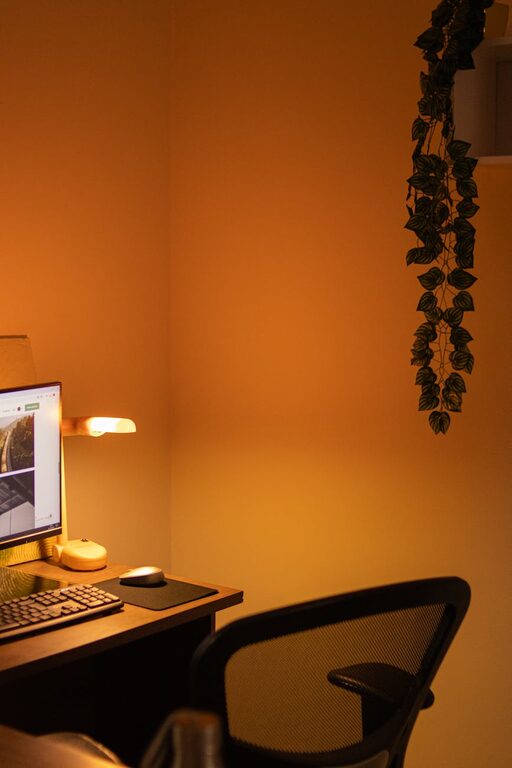
Creating a workspace at home that balances relaxation and productivity can make a significant difference in your workday. Whether you’re working remotely full-time or occasionally need a quiet spot to focus, a thoughtfully designed workspace helps reduce stress, improve concentration, and boost overall comfort.
In this post, we’ll explore practical tips to help you create a relaxing home workspace tailored to your needs.
Why a Relaxing Workspace Matters
A comfortable and calming workspace supports mental clarity and minimizes distractions. When your environment is inviting and functional, it’s easier to stay motivated and maintain focus. On the other hand, a cluttered or uncomfortable space can lead to fatigue and decreased productivity.
Here are some key benefits of a relaxing workspace:
– Reduced stress and anxiety
– Enhanced concentration and creativity
– Greater comfort during long work sessions
– Improved work-life balance by clearly defining your work area
Choose the Right Location
Start by selecting a spot in your home that naturally supports your work style.
Consider natural light
Position your desk near a window if possible. Natural light helps regulate your circadian rhythm, improves mood, and reduces eye strain.
Find a quiet area
Choose a space away from heavy foot traffic or noisy appliances. Using a room divider or noise-canceling headphones can help if space is limited.
Separate work from leisure
Try to keep your workspace distinct from areas used for relaxation to maintain clear boundaries between work and personal time.
Invest in Comfortable Furniture
Your choice of furniture has a direct impact on your physical well-being.
Ergonomic chair
Select a chair with good lumbar support, adjustable height, and comfortable padding. Sitting correctly helps prevent back and neck pain.
Adjustable desk
Consider a desk with enough surface area for your work materials. Height-adjustable desks that allow you to alternate between sitting and standing are a plus.
Proper monitor placement
Place your computer screen at eye level about an arm’s length away to reduce neck strain.
Keep It Organized and Clutter-Free
A tidy workspace promotes a clear mind.
Use storage solutions
Incorporate shelves, drawers, or organizers to keep documents, gadgets, and supplies neatly stored.
Manage cables
Use cable clips or sleeves to avoid tangled wires that can create visual clutter.
Declutter regularly
Make it a habit to clear your desk at the end of each day. A clean surface welcomes focus the next morning.
Personalize Your Space Mindfully
Your workspace should reflect your personality without being overwhelming.
Add calming colors
Soft blues, greens, or neutrals create a serene atmosphere conducive to focus.
Incorporate plants
Indoor plants improve air quality and add a touch of nature, which is linked to reduced stress.
Display inspiring items
Include a few meaningful photos, quotes, or artwork, but avoid overloading the area.
Optimize Lighting and Temperature
Proper lighting and temperature enhance comfort and productivity.
Layer your lighting
Combine ambient, task, and accent lighting. Use adjustable desk lamps to focus light where needed.
Control glare
Position your computer perpendicular to windows to reduce screen glare.
Maintain a comfortable temperature
Keep your workspace between 68°F and 72°F (20°C-22°C), and use fans or heaters as needed.
Establish a Routine and Boundaries
Your work environment and habits work best in tandem.
Set regular hours
Establish consistent start and finish times to support work-life balance.
Take breaks
Incorporate short breaks to stretch, breathe, or move around to stay refreshed.
Minimize distractions
Turn off non-essential notifications and use apps that encourage focus if needed.
Use Soothing Scents and Sounds
Engage other senses to create a relaxing ambiance.
Aromatherapy
Try essential oils like lavender or eucalyptus to promote calmness.
Background sounds
Play soft instrumental music, white noise, or nature sounds to help concentration.
Final Thoughts
Designing a relaxing home workspace requires attention to both comfort and functionality. Small thoughtful changes can transform your environment into a place where you look forward to working. By selecting the right location, investing in ergonomic furniture, and personalizing your space mindfully, you’ll set the stage for greater productivity and well-being.
Remember, your workspace should evolve as your needs change. Regularly reassess what works best for you and make adjustments that help maintain a peaceful and productive workday environment.