

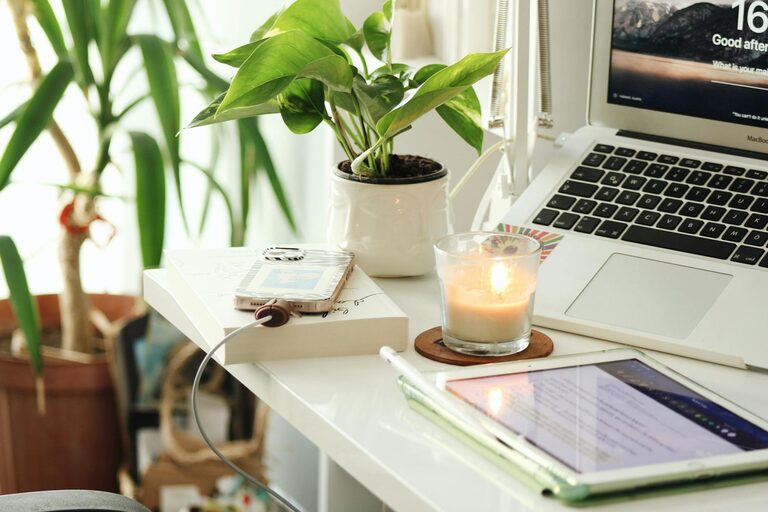
Creating a cozy and productive home office is essential for anyone who works from home or spends a significant amount of time on personal projects. A well-designed workspace can boost focus, reduce stress, and make working from home a more enjoyable experience. Whether you have a dedicated room or a small corner in your living area, here are some clear, actionable tips to help you set up a home office that feels inviting and supports your productivity.
1. Choose the Right Location
Start by selecting a spot in your home that suits your work style and daily routine.
Consider Natural Light
A workspace near a window provides natural light, which can improve mood, reduce eye strain, and help regulate your body clock. Aim to position your desk so that natural light falls on your workspace without creating glare on your computer screen.
Minimize Distractions
Pick a quiet area, away from noisy parts of the house like the kitchen or TV room. If space is limited, consider using noise-canceling headphones or white noise machines to help maintain focus.
2. Invest in Comfortable and Functional Furniture
Your furniture choice directly affects how comfortable and efficient your workspace will be.
Ergonomic Chair and Desk
Choose an adjustable chair that supports your back and encourages good posture. Your desk should be at a comfortable height to avoid strain on your wrists and shoulders. If you have space, a standing desk or adjustable sit-stand desk is a great option to vary your working position throughout the day.
Adequate Desk Space
Make sure your desk is large enough to hold your computer, essential supplies, and some personal items without feeling crowded.
3. Organize for Efficiency
Clutter can interrupt your workflow and increase stress levels.
Storage Solutions
Use shelves, drawers, or storage boxes to keep documents, supplies, and gadgets organized and out of sight. Labeling containers can also help you quickly find what you need.
Cable Management
Tidy up cables with clips, sleeves, or cable boxes to avoid tangles and potential hazards. A clean desk surface can encourage clearer thinking.
4. Personalize Your Space
Adding personal touches can make your workspace feel more inviting and motivate you.
Colors and Decor
Choose colors that inspire calm and concentration, such as soft blues, greens, or neutrals. Add artwork, plants, or meaningful photos that brighten your mood without distracting you.
Comfort Accessories
Consider a cozy blanket, cushion, or a small rug to add warmth and comfort. A desk lamp with adjustable brightness allows you to control lighting according to time of day and task.
5. Optimize Lighting
Good lighting is crucial for both comfort and productivity.
Layered Lighting
Combine natural light with task lighting (like desk lamps) and ambient lighting (overhead lights or floor lamps). Avoid harsh fluorescent lights that can cause headaches.
Positioning Lights
Place your light sources to avoid shadows and glare on your screen or workspace. Adjustable lamps with flexible arms are helpful for this.
6. Create Boundaries and Routines
Setting clear boundaries helps separate work from personal life, especially in a home environment.
Define Your Work Hours
Having set working times helps you stay productive and prevents work from spilling into leisure time.
Separate Workspace
If possible, keep your work area distinct from relaxation spaces. This physical boundary helps your brain switch between work mode and rest mode.
7. Incorporate Technology Thoughtfully
The right technology setup can streamline your work without adding complexity.
Reliable Internet and Hardware
Ensure you have a fast, stable internet connection and equipment that meets your work needs. Regularly update software to avoid disruptions.
Desk Accessories
Add useful tools like a wireless mouse, keyboard, or a second monitor to enhance comfort and efficiency.
8. Take Breaks and Include Movement
Even with the best setup, regular breaks are necessary to maintain productivity.
Scheduled Breaks
Use timers or apps to remind you to stand, stretch, or take short walks every hour.
Workspace Layout
If possible, arrange your space to encourage movement — for example, placing a water bottle or printer a few steps away, encouraging you to stretch your legs.
—
Creating a cozy and productive home office doesn’t happen overnight, but small adjustments can make a big difference. Focus on comfort, organization, and personalization to craft a space that supports both your work goals and well-being. When your home office feels good, working from home becomes more enjoyable and effective.